
Addis Ababa is not just a modern capital; it's a monumental city, with every statue and memorial marking a pivotal moment in Ethiopian history. For the traveler eager to understand the country's past and resilience, touring these monuments is a must.
Here are the essential monuments that anchor the narrative of modern Ethiopia, forming the core of our historical tours.
1. The Lion of Judah Statue (Symbol of Imperial Majesty)
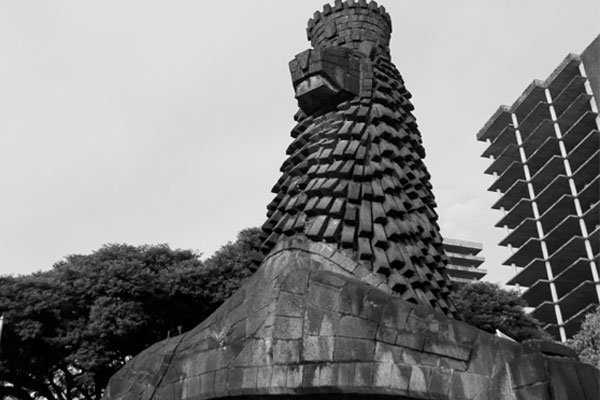
Standing proudly near the railway station, the Lion of Judah Statue is one of the most recognized symbols of Ethiopia. It represents the imperial dynasty and the nation's struggle against foreign occupation. Its powerful presence is a stunning photo opportunity and a perfect starting point for discussing Ethiopian royalty.
2. The Red Terror Martyrs Memorial Museum (Sober Reflection)
This is arguably the most poignant site on our tour. The Red Terror Martyrs Memorial Museum stands as a solemn reminder of the thousands who were killed during the Derg regime's violent campaign in the late 1970s. Visiting here provides necessary context on the transition from monarchy to military rule, and is an incredibly moving experience for understanding contemporary national identity.
3. Yekatit 12 Monument (A Tribute to Resistance)
Known locally as the Black Lion Monument, the Yekatit 12 Monument commemorates the martyrs of the 1937 massacre by the Italian occupation forces. Located in a busy part of the city, its simple yet profound design honors those who resisted oppression, reflecting the deep-seated pride and independence of the Ethiopian people.
4. Derg Monument (Marking the Revolution)
Formally known as the "Ethiopian-Korean War Veterans Memorial," the large Derg Monument is a significant landmark marking the military regime's era. Its imposing structure and location are key to understanding the political landscape and changes that swept through Ethiopia in the second half of the 20th century.
5. Menelik II Square (At the Heart of the Old City)
Named after Emperor Menelik II, the founder of modern Addis Ababa, this square is often referred to simply as "Arat Kilo." It's a bustling historical area dominated by a statue of the Emperor, symbolizing the beginning of the capital as we know it today.
Don't just observe history—feel it. Our expert guides bring these monuments to life, offering the full context, background, and stories that plaques often miss. Schedule your historical tour and step back in time with us.
0 Comments